
The first year of life requires regular pediatrician visits and close monitoring of development. Following a pediatrician’s well-visit schedule helps ensure your baby is growing and developing healthily and meeting milestones. New parents benefit from consistent care, asking the right first pediatrician visit questions, and staying proactive with preventive care.
Becoming a parent for the first time is exciting, but it also feels overwhelming. For new parents, the first year brings constant changes, questions, and decisions about your baby’s health. From feeding and sleep to growth and development, there’s a lot to keep track of.
That’s where strong pediatric guidance makes all the difference. Following expert-backed pediatric tips, staying consistent with pediatrician visits, and understanding your baby’s needs help you feel confident every step of the way.
In this guide, we’ll walk through essential care strategies, what to expect at each stage, and how to navigate your baby’s first year with clarity and peace of mind.

What to expect in your baby’s first year
The first year of life is one of rapid growth and development. Your baby will go from being completely dependent to starting to crawl, stand, and possibly even take first steps.
For new parents, this period includes frequent checkups, learning daily routines, and adjusting to your baby’s needs. This is why consistent pediatrician visits are essential. These visits allow your doctor to monitor growth, answer questions, and provide personalized pediatric tips based on your baby’s progress.
Understanding the pediatrician well visit schedule
One of the most important parts of early care is following a structured pediatrician well visit schedule. These visits typically occur within a few days after birth, and then at 1, 2, 4, 6, 9, and 12 months. Each appointment plays a critical role in preventive care. Your pediatrician will:
- Track weight, height, and head growth
- Monitor developmental milestones
- Provide recommended immunizations
- Address concerns from new parents
Staying on track with your pediatrician well visit schedule ensures your baby is developing properly and helps catch any concerns early.
Preparing for your first pediatrician visit
Knowing the right first pediatrician visit questions makes your visit more productive and reassuring.
Some helpful questions include:
- Is my baby feeding enough?
- What sleep patterns are normal?
- How do I soothe my baby safely?
- What should I expect in the next few weeks?
For many new parents, this first visit sets the tone for future care. Don’t hesitate to ask questions; your pediatrician is there to guide you. Bringing a list of questions ensures you leave the appointment feeling informed and confident.
Tracking developmental milestones
Babies grow and develop quickly, and each stage brings new abilities. Monitoring milestones is a key part of early care.
During routine pediatrician visits, your provider will check for:
- Smiling and social interaction
- Rolling over and sitting up
- Babbling and responding to sounds
- Crawling or early movement
If something seems off, early intervention makes a big difference. That’s why regular checkups and following the pediatrician well visit schedule are so important.
Using simple pediatric tips, like talking, reading, and interacting with your baby daily, helps support healthy development.
Feeding and nutrition basics
Nutrition plays a major role in your baby’s growth. During the first year, your baby’s feeding needs will evolve as they develop.
Key pediatric tips include:
- Breast milk or formula is the primary source of nutrition for the first 6sixmonths
- Introduce solid foods around four to six months, depending on your baby’s needs
- Watch for signs of food readiness and allergies
During pediatrician visits, your provider will guide you on feeding amounts, schedules, and transitions. For new parents, this guidance helps remove uncertainty and ensure your baby is getting proper nutrition.
Safe sleep and daily routines
Sleep is essential for your baby’s development, and safety is critical.
Follow these safe sleep guidelines:
- Always place your baby on their back.
- Use a firm mattress with no loose bedding.
- Keep the sleep space clear.
Creating consistent routines is another important step. Babies thrive on predictability, and routines help regulate sleep, feeding, and behavior.
Bonding and emotional development
Your baby’s emotional health begins from day one. Building a strong bond helps support brain development, communication, and long-term well-being.
Ways to strengthen your connection with your baby include talking and singing, making eye contact, responding to cries and cues, and reading daily.
These early interactions matter more than you might think. During pediatrician visits, your provider may also discuss emotional development and ways to encourage healthy attachment. For new parents, bonding is one of the most important and rewarding parts of the first year.

Keeping your baby safe and healthy
Safety is a top priority throughout your baby’s first year. Simple precautions prevent injuries and illness.
- Wash your hands frequently.
- Avoid exposing your baby to sick individuals.
- Never shake your baby.
- Keep small objects out of reach.
Immunizations are a way for parents to protect their babies. If you have concerns, talk with your pediatrician to make the right choice for your baby.
When to call your pediatrician
Even with preparation, questions will come up. Knowing when to call your doctor will give you peace of mind.
Reach out if your baby has a fever (a medical emergency if they’re under two months old), isn’t feeding well, shows unusual behavior, or has difficulty breathing. For new parents, it’s always better to ask than to wait. Your provider is there to support you between pediatrician visits.
Common mistakes to avoid
Even with the best intentions, new parents make small mistakes that impact their baby’s health and development. The good news is that most of these are easy to correct with the right guidance and consistent pediatrician visits.
Avoid these common pitfalls:
- Skipping or delaying pediatrician visits: Missing appointments disrupts your baby’s pediatrician well visit schedule, which is essential for tracking growth, development, and immunizations.
- Comparing your baby to others: Every child develops at their own pace. Focus on your baby’s progress and rely on your pediatrician for accurate developmental guidance.
- Ignoring small symptoms: Minor issues sometimes signal larger concerns. If something feels off, trust your instincts and schedule an appointment with a doctor.
- Inconsistent routines: Babies thrive on structure. Irregular sleep and feeding schedules lead to unnecessary stress.
Data, stats, and research insights
Understanding the data behind pediatric care helps new parents feel more confident in their decisions. Research consistently shows that early and consistent care leads to better health outcomes.
Key insights include:
- Immunizations during the first year protect against 14 serious diseases, significantly reducing the risk of hospitalization.
- Pediatric health research indicates that early detection of developmental delays improves outcomes.
- Parents who maintain consistent pediatrician visits report higher confidence in caregiving and decision-making.
Tools, products, or recommendations
Having the right tools makes a big difference for new parents navigating daily care. While your pediatrician will always be your best resource, these helpful items support your routine and make it easier to follow key pediatric tips.
Recommended essentials include:
- Digital or rectal thermometer: A reliable thermometer helps you monitor fevers and decide when to schedule an appointment with your doctor.
- Baby tracking app: These apps help track feeding, sleep, and diaper changes, making it easier to discuss patterns during pediatrician visits.
- Growth and milestone trackers: Simple charts or apps help you stay aligned with your baby’s development and your pediatrician well visit schedule.
- Safe sleep products: A firm crib mattress and properly fitted sheets help maintain a safe sleep environment.
- Nasal aspirator and baby care kit: Useful for managing minor congestion and daily hygiene.
- Notebook or phone notes for questions: Keep a running list of questions so you never forget what to ask during appointments.
These tools don’t replace professional care, but they do help you stay organized, informed, and confident as you care for your baby each day.
FAQ
How often should my baby see a pediatrician in the first year?
Most babies follow a pediatrician well visit schedule that includes visits shortly after birth, then at 1, 2, 4, 6, 9, and 12 months. These regular pediatrician visits help monitor growth and development.
What are the most important first pediatrician visit questions to ask?
Common first pediatrician visit questions include feeding guidance, sleep expectations, developmental milestones, and how to handle common concerns like fussiness or illness. Writing down your questions ahead of time helps you make the most of your appointment.
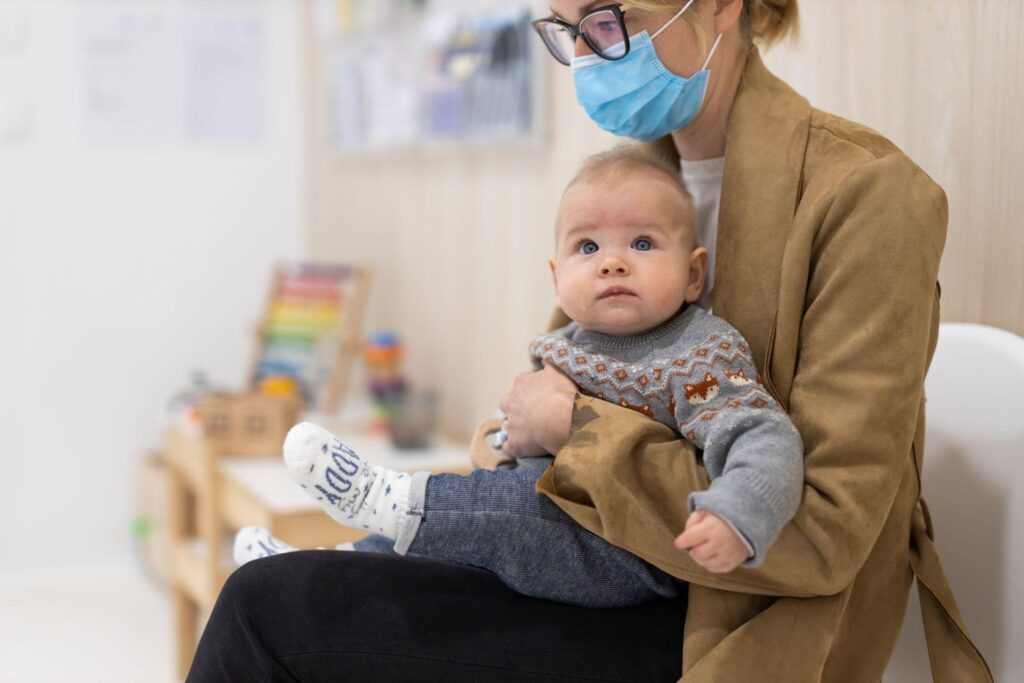
When should new parents schedule their baby’s first doctor visit?
New parents should schedule a doctor’s appointment within the first few days after bringing their baby home to ensure that the baby is healthy, feeding well, and adjusting properly after birth.
How do I know if something is wrong with my baby?
Trust your instincts. If your baby has a fever, isn’t feeding well, seems unusually sleepy, or shows sudden changes in behavior, it’s best to schedule an appointment with a doctor. Your pediatrician helps determine if further care is needed.
Start your baby’s first year with trusted care at Bonneville Family Practice
Navigating your baby’s first year is a big journey, but you don’t have to do it alone. At Bonneville Family Practice, we’re here to support new parents with compassionate, reliable care every step of the way. From following your baby’s pediatrician well visit schedule to answering your most important questions, our team is here to help your child grow and thrive.
Whether you’re preparing for your first visit or continuing regular pediatrician visits, we provide personalized guidance, expert pediatric tips, and a welcoming environment for your entire family.
Give your baby the best start. Schedule an appointment with Bonneville Family Practice today and partner with a team that truly cares.