
Staying up to date on your immunizations is one of the simplest, most effective ways to protect your health and support your community’s well-being.
Vaccines play a key role in preventive healthcare, helping stop illnesses before they start and reducing the risk of serious complications. Yet, many people don’t realize how important it is to keep vaccinations up to date throughout adulthood.
In this blog, we’ll break down the top reasons to stay on schedule, from preventing disease and stopping outbreaks to saving money and supporting stronger community healthcare. Here’s why keeping up with immunizations is one of the best decisions to make for yourself and the generations who follow.
1. They protect you from preventable diseases
Vaccines strengthen your immune system, so it recognizes and fights harmful viruses and bacteria before they have a chance to make you sick. Instead of facing the full force of infections like measles, whooping cough, influenza, or pneumonia, your body has the preparation to defend itself quickly and effectively.
Staying vaccinated is also a core part of preventive healthcare. Instead of waiting for illness to strike, immunizations help stop it from happening in the first place.
Many of the diseases we vaccinate against lead to severe complications, long-term health issues, or hospitalization — especially for young children, older adults, or anyone with a weakened immune system. By keeping up with your recommended vaccines, you reduce your risk of immediate illness and long-term consequences.
2. They protect the people around you
Many individuals in your community rely on others getting vaccinated because they are too young, too elderly, pregnant, or medically unable to receive certain vaccines. When you keep current with your shots, you help create a stronger shield of protection around those who are most vulnerable.
This is one of the key goals of community healthcare. When enough people are vaccinated, illnesses spread less easily, outbreaks are less likely, and everyone benefits from a safer, healthier environment.
Even common infections like the flu or whooping cough are dangerous for infants, older adults, or individuals with chronic conditions — but your decision to stay vaccinated helps break the chain of transmission.
Keeping your immunizations updated is also considered part of preventive healthcare because it prevents you from unknowingly passing illnesses to others. Whether it’s protecting your newborn niece, your aging parents, or your coworkers, staying vaccinated is an act of care that stretches far beyond yourself.
3. They support lifelong health
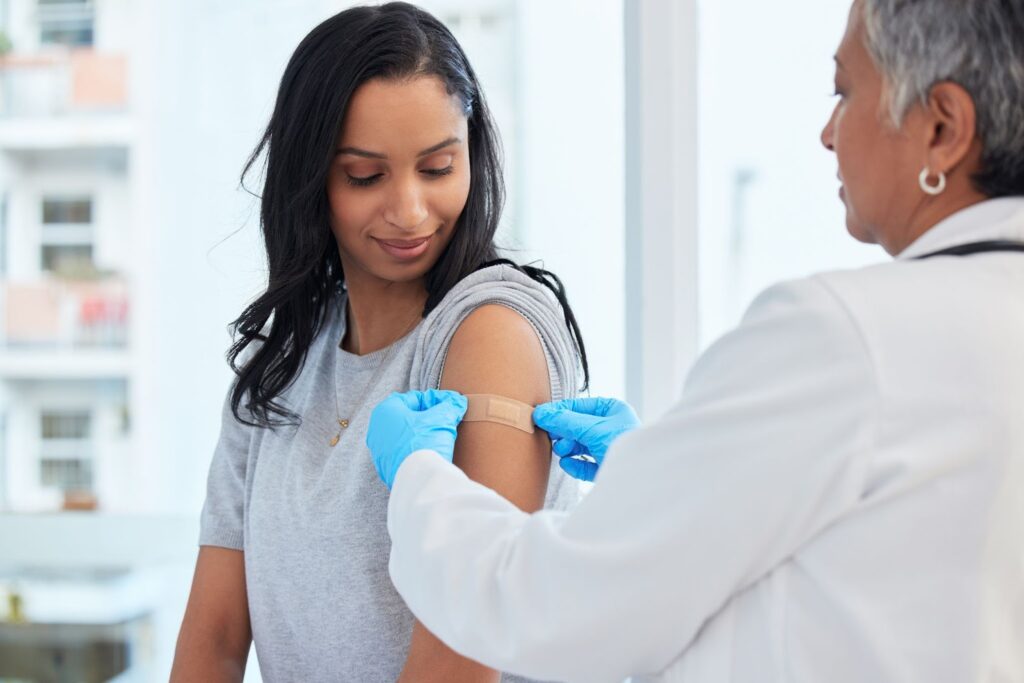
Immunizations are an essential part of lifelong preventive healthcare.
As you age, your immune system changes, and some vaccines you received years ago begin to lose their effectiveness. You need others, such as flu or COVID-19 vaccines, annually to keep up with new strains. Staying current on your immunizations ensures your body has the strongest possible defense at every stage of life.
Adults often don’t realize how many vaccines they still need. Tetanus boosters every 10 years, shingles vaccines at 50, and pneumonia vaccines later in life are all important for long-term wellness.
They help prevent severe illness and reduce the risk of complications that could affect your health for years to come. Keeping your vaccinations up to date is one of the most effective ways to protect your future well-being.
Because insurance plans often cover vaccines as medical services, you can incorporate them into your regular health routine more easily and affordably. During a wellness visit, your provider reviews your record, checks for any gaps, and makes sure you’re protected against serious diseases — all without adding financial stress.
4. They help prevent outbreaks
One of the strongest public health benefits of staying current on immunizations is its ability to stop outbreaks before they start. When enough people in a community have protection against a disease, it becomes much harder for that illness to spread. This wide-reaching protection is a core part of community healthcare, helping keep schools, workplaces, and neighborhoods safer year-round.
Outbreaks often happen when vaccination rates drop. We’ve seen preventable diseases like measles and whooping cough resurface in areas where fewer people stay vaccinated.
These illnesses spread rapidly, lead to hospitalizations, and place a significant strain on healthcare systems. Staying up-to-date on your vaccines is a simple and effective way to support preventive healthcare and reduce the chances of these diseases resurfacing.
Many recommended vaccines are also insurance-covered medical services, making it easier and more affordable to stay protected.
5. They are safe, effective, and thoroughly tested
Before any vaccine gets approved for public use, it goes through extensive research, clinical trials, and ongoing monitoring to ensure it meets the highest standards of safety and effectiveness. This process takes years, and even after approval, vaccines continue to be studied and reviewed to ensure the protection of public health.
This commitment to safety is a cornerstone of preventive healthcare. Vaccines help your immune system build protection without exposing you to the serious risks of the diseases themselves.
Side effects, when they do occur, are typically mild and short-lived — such as a sore arm or a low-grade fever. These minor reactions are a sign that your immune system is building the protection it needs.
In addition to protecting you individually, safe and effective vaccines strengthen community healthcare systems by reducing hospitalizations, preventing long-term complications, and limiting the spread of illness. They help keep schools open, workplaces running smoothly, and healthcare resources available for those who need them most.
6. They can save you time, stress, and money
Staying up-to-date on immunizations is one of the easiest ways to protect your health and your budget. Preventing illness through vaccines means you’re far less likely to miss work, spend days recovering, or deal with the stress of urgent medical visits.
Many of the diseases vaccines protect against lead to complications that require multiple appointments, prescriptions, or even hospital stays. Avoiding these illnesses through preventive healthcare saves you significant time and worry.
Financially, vaccines are one of the most cost-effective tools in modern medicine. Most recommended vaccines are considered insurance-covered medical services, so they are typically available at little to no out-of-pocket cost when you receive them through an in-network provider.
Instead of paying for treatment, medications, or emergency care after getting sick, you’re investing in affordable prevention upfront.
On a larger scale, immunizations also reduce strain on community healthcare systems by lowering the number of people needing urgent or specialized care. This helps keep clinics and hospitals more accessible when you or your loved ones truly need them.
7. Your family doctor makes it easy to stay on schedule
One of the biggest advantages of staying connected to a trusted family doctor is how easy it makes it to keep up with your immunizations.
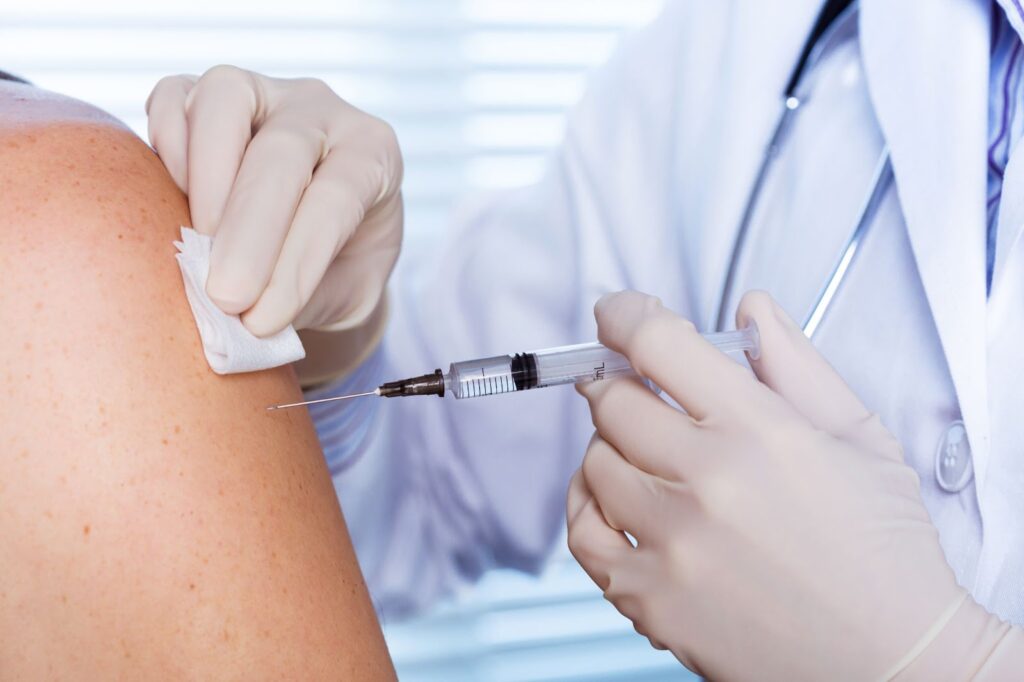
Instead of trying to track vaccine dates on your own, your provider helps you stay organized and up-to-date as part of your regular preventive healthcare routine. During annual checkups or wellness visits, your doctor can review your immunization history, identify any gaps, and recommend the next steps based on your age, health, and lifestyle.
Your family doctor is also familiar with your medical background, which means they can make personalized recommendations that support your long-term health. Whether you need a tetanus booster, a shingles vaccine, or routine childhood updates for your kids, your community healthcare provider ensures nothing gets overlooked.
Stay up to date on your vaccines with Bonneville Family Practice
Keeping up with your immunizations is one of the most powerful ways to protect your health — and having the right primary care provider makes it even easier.
At Bonneville Family Practice, our caring team will help you stay on schedule with personalized guidance, clear recommendations, and access to insurance-covered medical services that support your long-term wellness.
Whether you’re due for a routine booster, preparing for seasonal vaccines, or unsure what you might be missing, we’re here to make the process simple and stress-free. As a dedicated part of your community healthcare network, we ensure you and your family receive the protection you need at every stage of life.
Stay healthy and protected; schedule your vaccination appointment with Bonneville Family Practice today, and take the next step in preventive healthcare.